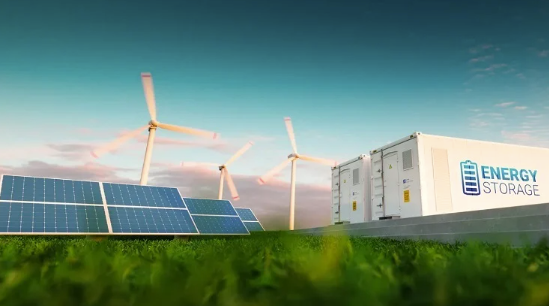
Energy storage technology innovations are reshaping energy management and electric mobility. Recent advancements in solid-state and lithium-sulfur batteries are improving safety and energy density, while also reducing costs. Emerging materials and real-time data analytics are optimizing energy usage. These developments not only enhance electric vehicle performance but also foster a sustainable energy ecosystem. The implications of these innovations raise critical questions about their long-term impact on energy systems and environmental practices.
Advances in Battery Technology
As the demand for efficient energy storage solutions intensifies, advances in battery technology have emerged as a focal point in the quest for sustainable energy systems.
Solid state batteries offer enhanced safety and energy density compared to traditional lithium-ion cells.
Meanwhile, lithium sulfur technology presents a compelling alternative, promising higher capacity and lower costs, thereby addressing critical limitations in current energy storage paradigms.
Emerging Materials for Energy Storage
Innovations in battery technology have paved the way for the exploration of new materials aimed at enhancing energy storage capabilities.
Solid state batteries, leveraging advancements in nanomaterials research, promise improved energy density and safety. These emerging materials facilitate faster ionic conductivity and reduce degradation, potentially revolutionizing storage systems.
The pursuit of optimized materials fosters a transformative landscape for energy storage, appealing to a liberated, conscious audience.
Innovative Approaches to Energy Management
While traditional energy management systems have primarily focused on supply and demand balancing, recent advancements are steering the field towards more sophisticated approaches that integrate real-time data analytics and predictive modeling.
Innovative strategies such as demand response and load shifting enable more dynamic energy usage, enhancing efficiency.
These methods empower consumers, allowing them to optimize consumption patterns and contribute to a more resilient energy infrastructure.
See also: Edge Computing Security Challenges
The Role of Energy Storage in Electric Vehicles
Energy storage plays a pivotal role in the performance and viability of electric vehicles (EVs), significantly influencing their range, efficiency, and overall user experience.
Advanced battery technologies enhance charging infrastructure, enabling faster charging and greater accessibility.
Moreover, the integration of battery recycling practices ensures sustainability, reducing environmental impact while promoting resource conservation.
This synergy between energy storage and infrastructure is essential for the future of electric mobility.
Conclusion
In a world where our smartphones outlast our cars and battery life is sacred, one might jest that the true power of innovation lies not in the energy stored but in the hope it inspires. As solid-state and lithium-sulfur technologies emerge, they promise a greener future—if only to outlive our relentless quest for the next gadget. Ultimately, the success of energy storage innovations will hinge not just on performance, but on our collective ability to recycle promises into reality.